
A public profile is still personal data
Published 2026-07-09
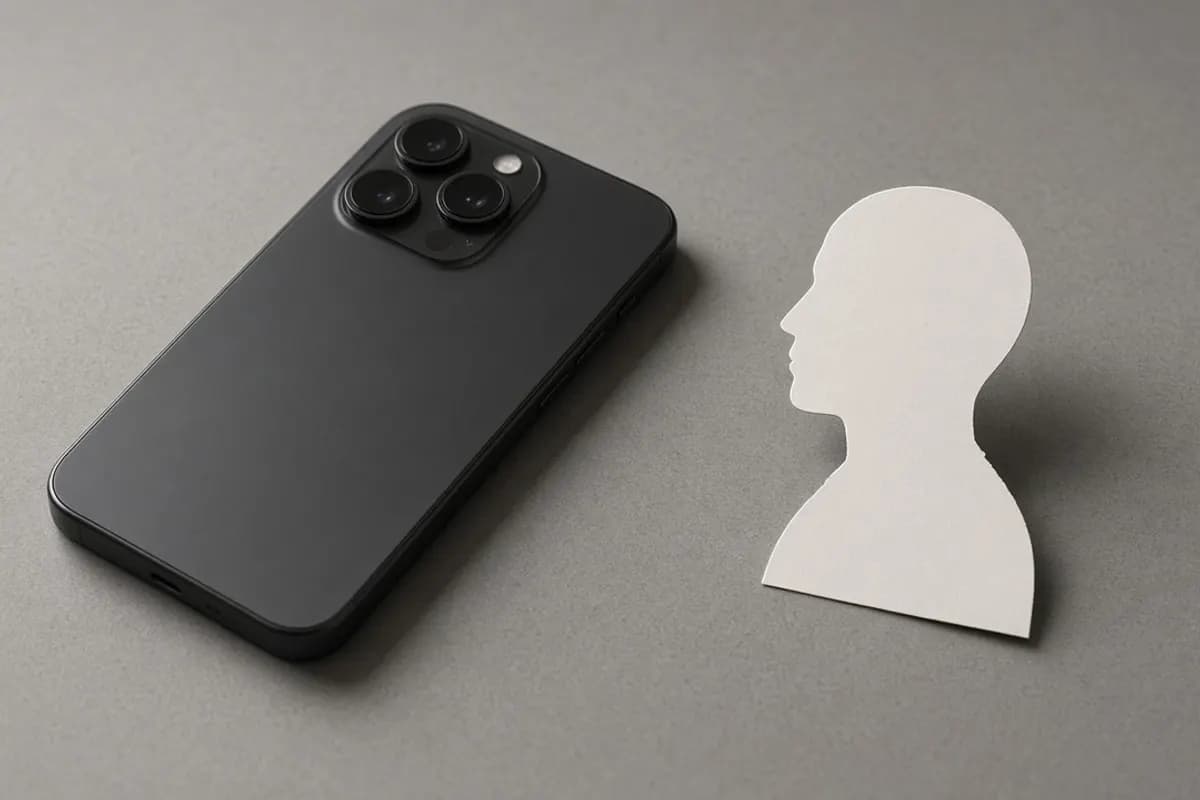
Public on a platform
A public professional profile, or a public social profile, is a page a person keeps under a platform's rules. Other people can often read it because the person left it open, or because the platform's default is open. That fact makes the page easy to find. It does not change what the page is. A name, a face, an employer, a city, and a sentence about a person's life are personal data when they relate to an identifiable human being.
Workplaces meet these pages constantly. A colleague has one. A candidate has one. A customer contact has one. The temptation is to treat an open page as raw material that anyone may copy into a sheet. The calmer habit is to notice the page, decide whether you have a work reason to remember anything from it, and then remember very little. Seeing is not the same as storing.
A setting is not consent for you
The switch that makes a profile public is a choice about the platform. It sits in the relationship between the person, the platform, and other users of that platform. It is not a message to every company that might later want a mailing list. Consent, in the GDPR sense, is a freely given, specific, informed, and unambiguous yes to a purpose. A visibility setting does not name your company, and it does not name your purpose.
If you want consent, you have to ask for the thing you actually intend to do, and you have to be able to show the answer. Silence, a public page, and the fact that you were able to read a post are not that answer. Many ordinary workplace uses never need consent because they rest on a different basis, such as a genuine legitimate interest in a relevant work contact. That basis is still yours to examine. The platform does not examine it for you. This is general information about everyday workplace practice, and it is not legal advice for your company.
What a workplace might note
When there is a real work reason, the small note is enough: the name, the current employer if the page states it, the role, the city of work, the address of the profile, the date you looked, and the reason. A recruiter preparing a conversation the person expects, or a colleague checking that a public title is out of date before a customer is confused, can live inside that list.
Stop at the list. Do not copy the career story into a second database. Do not save posts, comments, or a circle of contacts. Do not record jokes, tastes, or a photograph beyond what you need to be sure you have the right person, and even then prefer the profile address over a saved image. The reason belongs in the note so that a colleague opening it later can see why it exists. A note with no reason is a note to delete.
Special-category data stays out
Article 9 of the GDPR sets apart data about health, racial or ethnic origin, political opinions, religious or philosophical beliefs, trade union membership, genetic and biometric data used for identification, and data about a person's sex life or sexual orientation. A workplace that is checking a public profile for a work contact has no ordinary reason to collect any of that. Leave it unread for your purpose, and do not write it down.
Inference is the same problem in a quieter form. A flag, a group, a fundraiser, a hospital badge, or a comment thread can tempt someone to fill a field the person never stated. Do not fill it. Do not let the guess affect hiring, a sales approach, a credit decision, or how a colleague is treated. If such a field is already in a shared sheet, delete it. The fact that a post was public on the day you saw it does not make a special-category note a fair record.
Photographs, family, and private life
A photograph can identify a person, and a photograph of a family identifies more than one. A workplace note about a work contact does not need the children, the partner, the holiday, or the inside of a home. If the profile shows them, that is the person's choice about the platform. Your copy of those pictures is a new choice, and for a sales sheet or a staff file it is the wrong one.
The same line covers a post about a school, a medical recovery, a place of worship, or a political meeting. You may have seen it because the page was open. You do not have to keep it, quote it, or mention it in a handover. A handover about a work role needs the role. Private life stays on the platform where the person put it, and it stays out of your systems.
A short life for the note
Write the purpose before you paste anything, even a name. If the purpose is a single meeting, the note can die when the meeting is over. If the purpose is an ongoing work relationship the person knows about, review the row when the role changes. Put a date on it either way. An undated extract of a profile becomes wrong quietly, and then it gets forwarded as if it were current.
If the person later limits the profile, your old copy does not stay reasonable just because the page was open on the day you saved it. Look at the purpose again. A one-time check has already been spent. Delete the copy. Do not open a second account, and do not pretend to be someone else, in order to see a page the person has closed. A closed page is an answer. The public reading is over.
Children and curiosity
If the profile appears to belong to a child, stop. Delete anything you saved. A workplace people-search habit has no ordinary reason to build a note about a minor. Age can be unclear from a page. When you are unsure, treat uncertainty as a stop, not as a reason to collect more posts until you are sure.
Curiosity is the other stop. A public page makes it easy to read far past the work question that brought you there. The discipline is to close the page when the work question is answered. You do not need to know who they spend weekends with in order to confirm a job title.
Keep the rule where new staff will see it, next to the instruction for any people-search tool the company allows. The page was public to its audience. Your database has a different audience, a different purpose, and a different duty. Match the copy to the duty, or do not make the copy.